Appearance
VibeCoding Tools
Lovable
Homepage: https://lovable.dev
Description:
Lovable markets itself as “idea to app in seconds.” The platform emphasizes simplicity, making it approachable for non-technical users or those new to vibe coding. With built-in deployment, Lovable lets creators skip much of the traditional development pipeline and go straight from idea to functioning product.
Use Case:
Ideal for beginners, fast idea validation, and solo founders looking to quickly launch app concepts without deep coding expertise.
Bolt.new
Homepage: https://bolt.new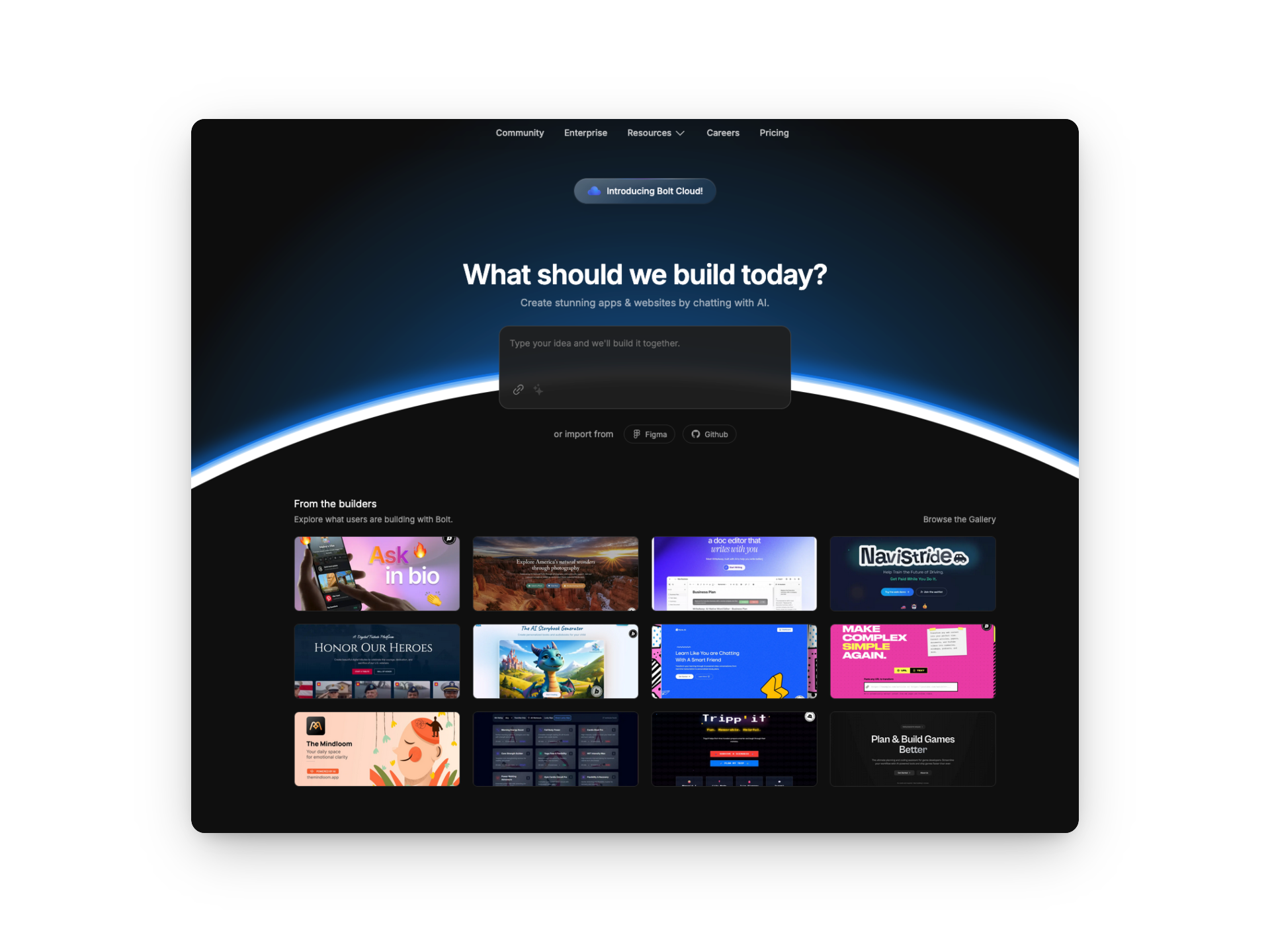
Description:
Bolt.new is one of the most popular vibe-coding platforms, designed for rapid full-stack application generation. It allows you to create applications by simply describing what you want. Bolt not only scaffolds your project but also enables editing, previewing, and deployment from within the same environment. Its strength lies in seamlessly bridging natural language prompts with actual production-ready codebases.
Use Case:
Best suited for rapid prototyping, quick MVPs, and full-stack deployments when you need to move from concept to live application in minutes.
Cursor
Homepage: https://cursor.sh
Description:
Cursor is an AI-powered coding assistant and editor designed specifically for working with vibe-coded outputs. It’s highly effective for debugging, reviewing, and refining AI-generated code. Cursor integrates closely with repositories, enabling conversational edits while maintaining context awareness of your existing codebase.
Use Case:
Excellent for debugging AI-generated code and refining vibe-coded prototypes into maintainable software.
Claude Code
Homepage: https://www.anthropic.com/claude
Description:
Claude Code is an AI agent that integrates into your terminal. It reads and remembers your codebase context, allowing you to chat with it and request modifications. Unlike prompt-based generators, Claude Code shines in iterative, context-aware refactoring.
Use Case:
Most effective for conversational refactoring, maintaining large codebases, and complex debugging.
Windsurf
Homepage: https://codeium.com/windsurf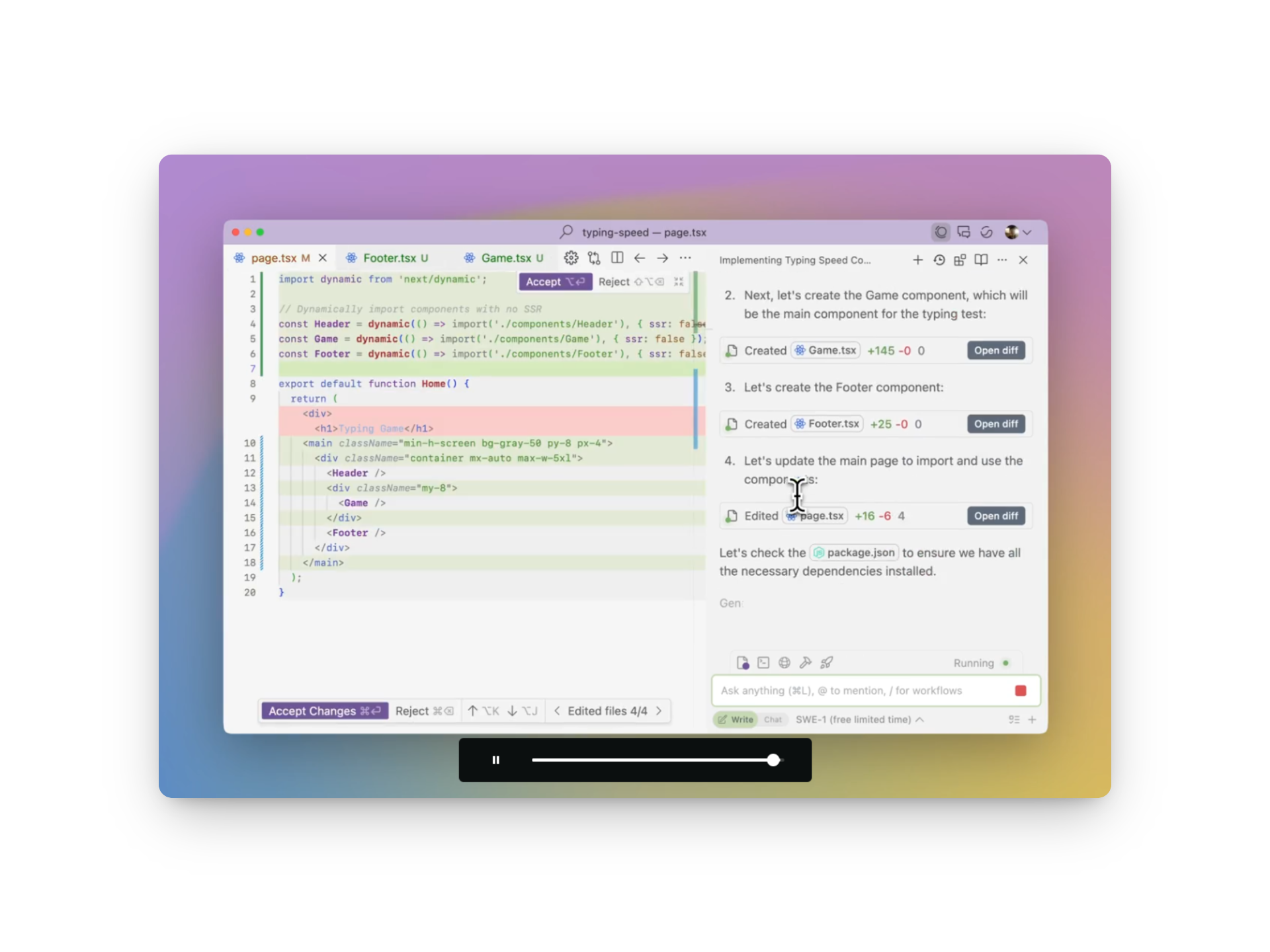
Description:
Windsurf is an AI-powered code editor developed by Codeium. It goes beyond autocomplete by providing full-project context awareness, inline explanations, and conversational editing capabilities. Windsurf emphasizes productivity, making it easy to navigate large projects, refactor code, and get detailed AI explanations without switching tools.
Use Case:
Best for developers handling large projects who want context-aware AI suggestions and conversational editing directly in their editor.
Replit Agents
Homepage: https://replit.com
Description:
Replit has long been known as a collaborative coding environment. With its new “Agents,” it extends into vibe coding. Describe your idea in natural language, and the AI agent builds it while allowing iterative feedback. Its collaborative features make it well-suited for teams.
Use Case:
Useful for team brainstorming, collaborative planning, and building applications iteratively with AI assistance.
v0 by Vercel
Homepage: https://v0.dev
Description:
v0, developed by Vercel, focuses on frontend development using Next.js. Unlike some vibe-coding tools that hide complexity, v0 emphasizes visibility: you can see how prompts are translated into code in real time. It creates highly optimized UIs and integrates easily into Vercel’s deployment ecosystem.
Use Case:
Best for frontend developers who want a transparent, AI-assisted build process with direct ties to production-grade hosting.
Base44
Homepage: https://base44.com
Description:
Base44 is focused on secure app generation. While many vibe-coding tools prioritize speed, Base44 ensures that the resulting apps are built with sensible security defaults. It’s particularly useful for enterprises or anyone concerned about compliance.
Use Case:
Best for security-minded projects where fast generation must be balanced with robust, safe practices.
Google AI Studio
Homepage: https://aistudio.google.com
Description:
Google AI Studio enables one-prompt web application generation with one-click deployment to Cloud Run. It’s lightweight, minimal, and focused on reducing friction for early testing.
Use Case:
Best for instant prototypes, demos, and quick experiments that need cloud hosting.
Gemini Code Assist
Homepage: https://ai.google.dev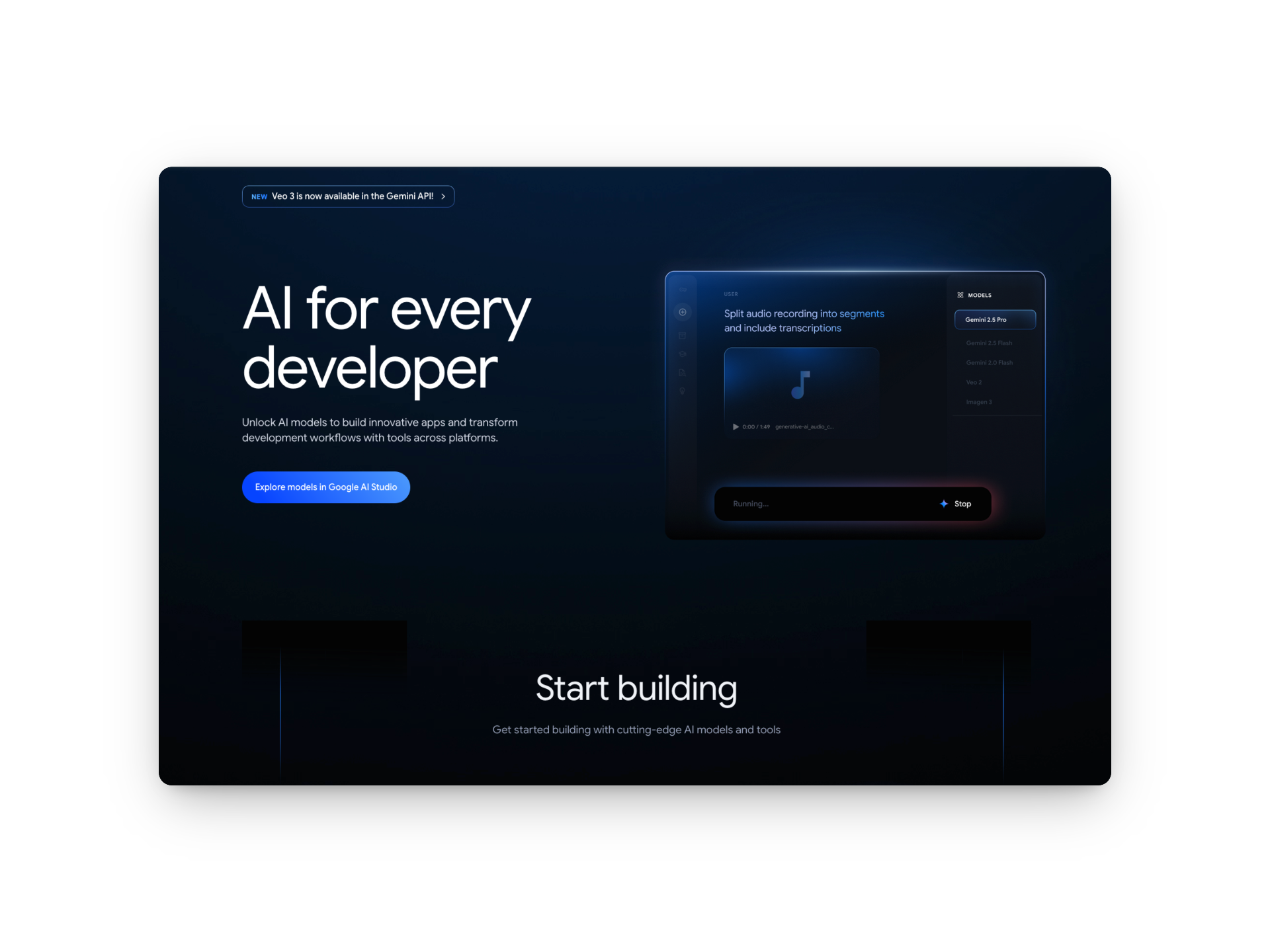
Description:
Gemini Code Assist (part of Google’s Gemini ecosystem) integrates directly into IDEs, supporting developers as they write, debug, and test code. Unlike standalone vibe-coding apps, it enhances existing workflows by embedding AI where developers already work.
Use Case:
Excellent for in-IDE AI assistance, code explanation, and test writing without leaving your coding environment.
Memex
Homepage: https://memex.tech/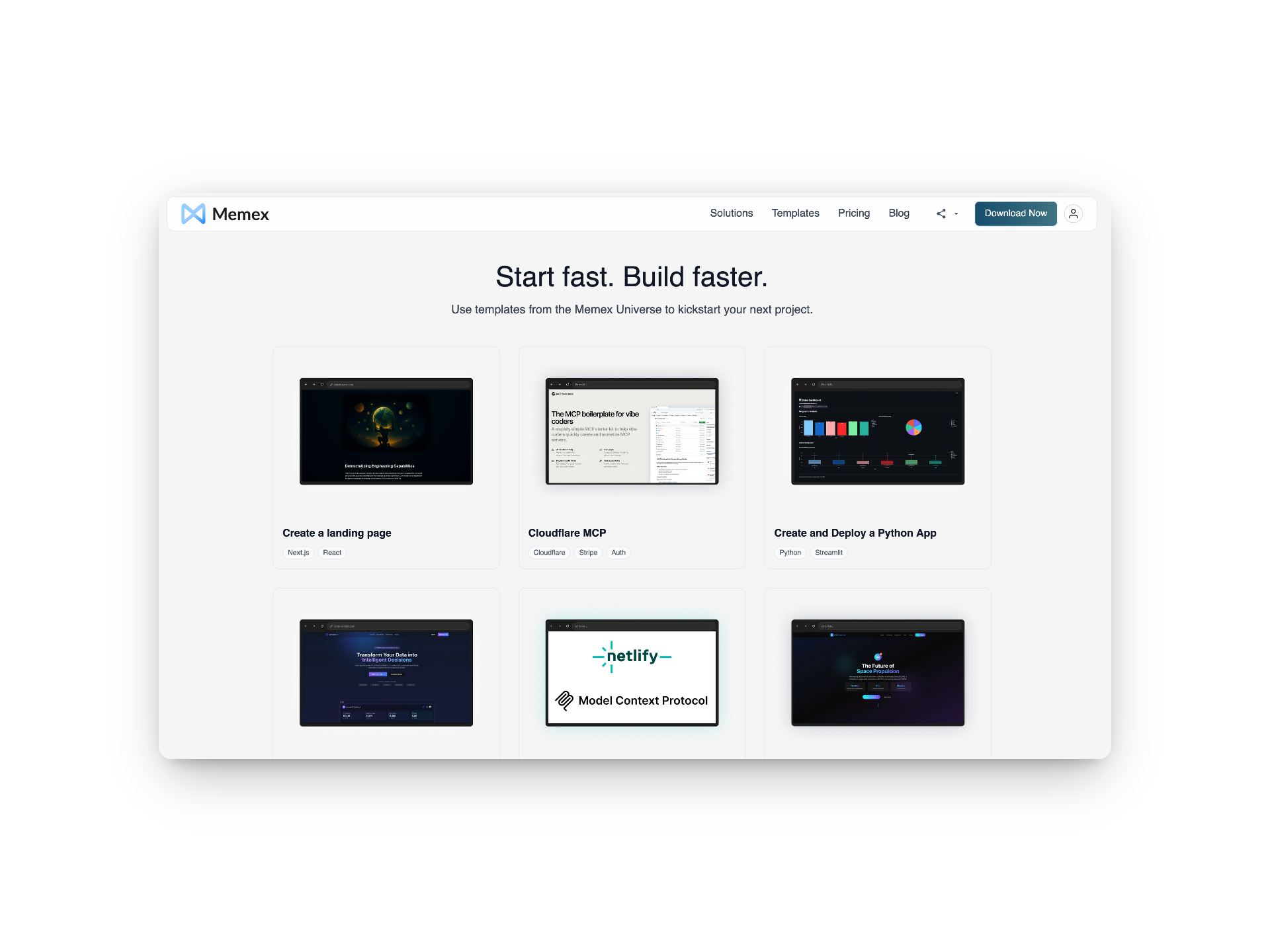
Description:
Memex is a local-first vibe-coding platform that turns natural language into working applications while keeping your files and code private. It supports both “Chat” (guided) and “Build” (autonomous) modes, letting you choose between step-by-step planning or faster automated generation. With Git-style checkpoints and multi-stack support, it balances speed with control, making it flexible for both beginners and advanced builders.
Use Case:
Best for end-to-end prototyping and development when you need privacy, local control, or iterative workflows that combine rapid AI assistance with human oversight.
GitHub Copilot
Homepage: https://github.com/features/copilot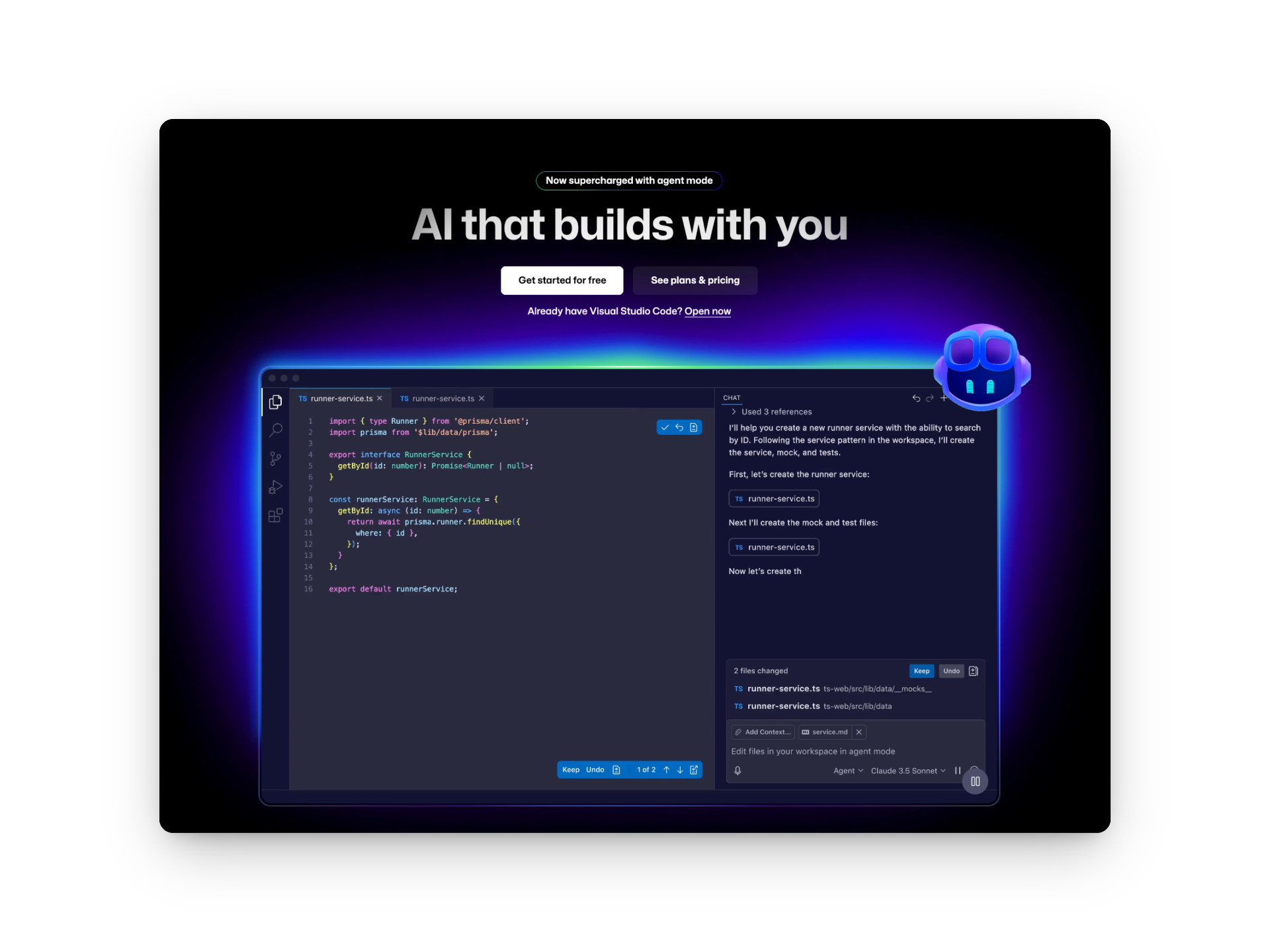
Description:
GitHub Copilot, powered by OpenAI Codex, is one of the first and most widely adopted AI coding assistants. It integrates with popular IDEs (VS Code, JetBrains, Neovim) to provide inline code suggestions, boilerplate generation, and test creation. Copilot leverages the vast training set of public repositories, making its suggestions highly practical and widely applicable.
Use Case:
Ideal for day-to-day coding assistance, speeding up repetitive tasks, generating boilerplate, and supporting developers within their existing workflow.